
Slot Machines: The Science, Strategy, and Psychology Behind the World’s Most Popular Casino Game

Understanding the Concept of Slot Machines
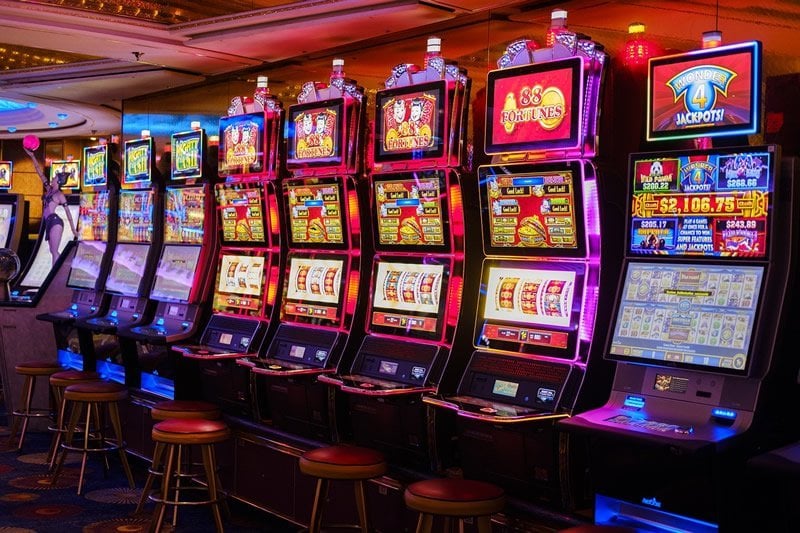
The Slot machine is one of the most iconic symbols in gambling history, representing the perfect intersection of entertainment, psychology, and mathematical design. Though seemingly simple, slots are driven by complex algorithms and behavioral principles that have made them the dominant game type in both physical casinos and online platforms. The goal is straightforward: spin the reels and match symbols for a payout. Yet beneath this simplicity lies a sophisticated system engineered to engage players for extended periods while maintaining profitability for operators.
Slot machines first appeared in the late 19th century, designed as mechanical devices with physical reels and levers. Modern slots, however, are digital marvels powered by random number generators (RNGs) and intricate payout structures. This transformation has shifted slots from mere mechanical amusements to data-driven entertainment systems that analyze player behavior, predict engagement patterns, and adapt to individual preferences.
How Slot Machines Work: The Mathematics Behind the Reels
Despite their colorful graphics and catchy sounds, slot machines operate entirely on mathematics. Each spin is governed by an RNG, which ensures that every result is independent of the previous one. The outcome is determined the instant the spin button is pressed, meaning no amount of timing, skill, or superstition influences the result.
The Role of Random Number Generators (RNGs)
An RNG continuously generates thousands of number sequences per second, even when the machine isn’t being played. When a player initiates a spin, the system selects a specific number sequence corresponding to symbol combinations on the reels. This guarantees fairness and unpredictability, two essential traits that define legitimate gameplay.
Understanding RTP (Return to Player) and House Edge
Two critical mathematical concepts define how profitable a slot is over time:
- RTP (Return to Player): This percentage indicates how much of the total wagered money a slot returns to players over an extended period. For instance, a slot with a 96% RTP theoretically pays back $96 for every $100 wagered.
- House Edge: The inverse of RTP, this represents the casino’s long-term profit margin. A 96% RTP slot, therefore, carries a 4% house edge.
While short-term results vary wildly due to randomness, these numbers shape the game’s long-term performance and profitability.
Volatility and Hit Frequency
Slots also differ in volatility—how frequently and significantly they pay out:
- Low-volatility slots: Offer frequent but smaller wins, appealing to players seeking consistent rewards.
- High-volatility slots: Deliver larger payouts but at longer intervals, attracting risk-takers.
- Medium-volatility slots: Balance between frequency and payout size, offering versatility for a range of players.
Understanding volatility helps players align their gaming strategy with their risk tolerance and bankroll.
The Evolution of Slot Machines: From Mechanical to Digital
The progression of Slot machines mirrors advances in technology and psychology. Early versions, like the Liberty Bell, were entirely mechanical and paid out in coins. Today’s digital slots are immersive entertainment experiences with advanced visuals, storytelling, and even interactive bonus rounds.
Key Phases in Slot Evolution
- Mechanical Era (1890s–1960s): Physical reels and coin payouts dominated, with limited combinations and predictable results.
- Electromechanical Period (1960s–1980s): Electricity powered more complex reel control systems, enabling larger jackpots.
- Video Slots (1990s–2000s): The introduction of video screens replaced mechanical reels, expanding creative possibilities and bonus features.
- Online and Mobile Slots (2000s–present): Internet technology brought slots to smartphones and computers, increasing accessibility and customization.
Modern slots now incorporate artificial intelligence to personalize gaming experiences, using data analytics to track player behavior and adjust features that maximize engagement.
Symbolism, Themes, and Game Mechanics
Slot machines attract players not just through potential winnings but also through captivating visual design and sound engineering. Developers craft immersive experiences by combining themes, animations, and soundscapes that trigger emotional responses.
Symbol Types
- Standard Symbols: Represent thematic icons that align for base payouts.
- Wild Symbols: Substitute for other symbols to create winning combinations.
- Scatter Symbols: Unlock bonus rounds or free spins when appearing in specific patterns.
- Multipliers: Increase payout amounts when part of a winning combination.
Paylines and Ways to Win
Traditional slots use fixed paylines—horizontal, diagonal, or zigzag patterns across the reels. Modern video slots can feature hundreds or even thousands of ways to win, using “megaways” systems that dynamically adjust paylines each spin. This structure keeps the gameplay unpredictable and engaging.
The Psychology of Slot Machine Design
One of the most fascinating aspects of slot gaming is how it appeals to the human mind. Developers apply behavioral psychology and neuroscience to create experiences that maintain player interest while offering intermittent rewards.
The Variable Reward System
Slot machines operate on a variable-ratio reinforcement schedule, a principle from behavioral psychology that explains why people engage in repetitive actions with unpredictable outcomes. This is the same reward pattern that drives social media engagement and mobile gaming addiction. The unpredictability of wins keeps dopamine levels fluctuating, creating excitement and anticipation that sustain player interest.
Sound and Visual Cues
Auditory and visual feedback play significant roles in player engagement. Upbeat sounds and bright animations celebrate even small wins, tricking the brain into perceiving frequent success. The combination of flashing lights, upbeat jingles, and near-miss outcomes (when the reels stop just short of a winning combination) further enhance emotional engagement.
Losses Disguised as Wins (LDWs)
In many slot games, players may win an amount smaller than their initial wager, but the game still triggers celebratory sounds and animations. This psychological trick makes players feel like they’re winning, reinforcing continued play despite actual losses.
Advanced Strategies and Myths in Slot Play
While slots are primarily chance-based, strategic understanding can enhance enjoyment and minimize losses.
Practical Strategies
- Choose higher RTP slots: A small difference in RTP can significantly affect long-term outcomes.
- Set strict limits: Establish time and money boundaries before playing.
- Take advantage of bonuses: Free spins and promotional credits extend gameplay without additional cost.
- Track volatility: Match slot volatility to your bankroll and playing style.
Common Myths
- “Slots are due for a win.” Each spin is independent; no previous result affects future outcomes.
- “Timing matters.” The RNG determines outcomes instantly, so pressing the button at any specific time has no influence.
- “Machines get hot or cold.” These perceptions are cognitive biases. Slots do not retain memory of past spins.
Technological Integration and Future Trends
The future of slot machines lies in merging immersive entertainment with data science.
AI and Machine Learning
Developers use artificial intelligence to predict player preferences and tailor game recommendations. Machine learning also helps optimize payout structures and bonus triggers based on engagement metrics.
Blockchain and Fair Play
Blockchain technology ensures transparency by recording all game outcomes on a public ledger, reducing manipulation and increasing player trust. Cryptographic verification allows players to confirm that every spin result is genuinely random.
Virtual and Augmented Reality Slots
VR and AR slots bring physical immersion into digital gaming. Players can interact with 3D environments, walk through virtual casinos, and engage with slot machines that simulate tactile feedback and realistic physics.
Responsible Gaming and Ethical Considerations
While slots are designed for entertainment, they can become problematic without proper boundaries. Responsible gaming initiatives focus on awareness, self-control, and prevention of addiction.
Key Practices for Responsible Play
- Set time and budget limits before starting a session.
- Recognize signs of compulsive behavior such as chasing losses or increasing bets impulsively.
- Use built-in responsible gaming tools like deposit limits and self-exclusion options.
- Take regular breaks to maintain perspective and control.
Casinos and online platforms are increasingly adopting advanced monitoring tools that detect high-risk behavior, offering timely interventions and player support.
FAQs about Slot Machines
Q1: Can skill improve slot outcomes?
No. Slot results are entirely random and determined by RNGs. However, understanding volatility, RTP, and bankroll management improves overall experience and longevity.
Q2: What’s the difference between classic and video slots?
Classic slots usually feature 3 reels and simple symbols, while video slots have 5 or more reels, advanced animations, and bonus features.
Q3: Are online slots truly fair?
Yes, as long as they use licensed software with verified RNGs. Reputable platforms undergo regular audits to ensure fairness.
Q4: What is a progressive jackpot?
A progressive jackpot accumulates across multiple machines or platforms. Each player’s wager contributes to a growing prize pool that can reach millions.
Q5: How can I identify high-paying slots?
Look for games with RTP above 96% and medium-to-high volatility for a balanced experience.
Q6: Why do players feel “almost winning” moments so often?
Near misses are intentionally designed to simulate success, keeping the brain engaged through anticipation and excitement.
Q7: Can I track slot payout patterns?
No. Since each spin is independent, previous results do not predict future outcomes. Tracking patterns is a cognitive illusion.
Q8: What’s the best way to enjoy slots responsibly?
View slots as entertainment, not income. Set strict limits, avoid emotional betting, and prioritize enjoyment over profit.
Slot machines are far more than spinning reels; they are the product of psychology, mathematics, and design precision. Understanding their structure, randomness, and psychological mechanisms allows players to approach the game with both awareness and control. Whether in a physical casino or an online environment, mastering the dynamics of Slot gaming transforms it from chance-based entertainment into a study of probability, human behavior, and strategic balance.
Comments are closed.